Published by IVP on January 6, 2026
Genres: Healthcare, Non-Fiction, Christian Life
Buy on Amazon
Goodreads

"Andersen offers important insights on how women’s relationships with alcohol are shifting as they grapple with increased pressures at home and work, and her approach wisely utilizes faith as a recovery tool without positioning it as a cure-all... Women of faith will be empowered." ―Publishers Weekly Review, September 2025
Get Honest about Your Relationship with Alcohol
Sharing a drink with friends or a glass of wine at dinner can be a nice way to enjoy God's good gifts. But what if these casual enjoyments turn into unhealthy habits? For many, drinking can easily become a dysfunctional coping mechanism or a dependency that's difficult to break.
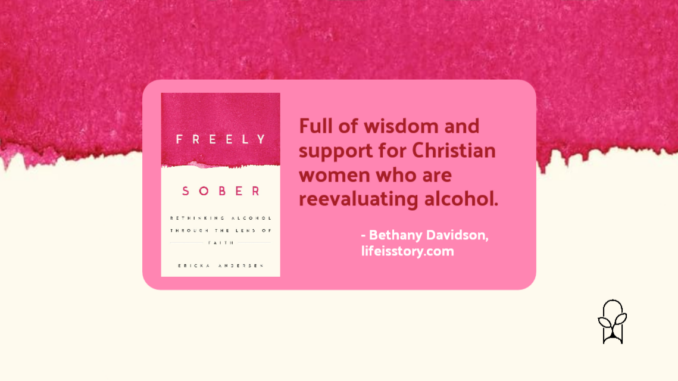
In Freely Sober, Ericka Andersen invites Christian women to reconsider their relationship with alcohol from a posture of honesty, curiosity, and self-compassion, offering empowering knowledge and trusted recovery principles for those curious about sobriety or seeking a way out of a habitual or destructive relationship with alcohol.
Andersen vulnerably shares her own story of sobriety, reflecting on how her private drinking habits began impacting her faith and life. Through her honest account, she opens the door for sober curious women of faith to explore their drinking patterns and see clearly to choose what's best for them.
Freely Sober features:
Practical Tools for Growth: Includes reflection questions, action steps, and assessments designed to help readers see alcohol more clearly
Faith-Based Guidance: Invites readers to draw closer to God in their sobriety journeys, leaning on the Holy Spirit and a supportive community for encouragement and accountability
Accessible for a Variety of Stages: Great for those who are sober curious, questioning their habits, or who want to dig deeper into how alcohol affects their life and faithFreely Sober charts a pathway to new habits, healing, and spiritual renewal through God's abundant grace for those looking for change. Whether you're struggling yourself with grey area drinking, are looking to support a friend or family member, or are a ministry leader looking for resources, Freely Sober offers wisdom and guidance for a way forward to freedom.
"You are free to decide―honestly, thoughtfully―whether your life is better with or without it. You don’t have to quit. You don’t have to cut back. But you can. And you can do it on your own terms, not because anyone told you to, but because you’re free to choose what serves you best. You can be freely sober." – Ericka Andersen, Freely Sober
There are lots of great books about sobriety, but this one stands out because of its unique audience. This book focuses on Christian women, due to the author’s personal experience and awareness of how alcohol dependency rates have risen in this demographic. This change is due to a variety of factors, such as reduced stigma and legalism around drinking in Christian contexts, as well as increased pressures for many women at home and work. Andersen shares her personal testimony of recovering from alcohol abuse, and she unpacks research findings and spiritual truths that will enlighten and empower women on similar journeys.
Andersen understands the shame and secrecy that so often come with unhealthy drinking habits, especially for women. She explains that even though people often perceive alcoholism as a man’s problem, statistics show that it is also a common issue for women. Andersen explains that changes in marketing, along with shifting cultural attitudes, have greatly increased rates of alcohol consumption among women, leading many mothers to believe that they can’t cope with their responsibilities unless they drink. Andersen validates how real women’s challenges are, but shows that excessive drinking will only make them worse.
Throughout Freely Sober, Andersen reflects on her own journey to sobriety, sharing personal stories about the impact that alcohol had on her life. Like most people, she was reluctant to admit that she had a problem, especially since she hadn’t hit “rock bottom” as typified by addiction stories. However, she came to see that things would only get worse, not better, unless she took this problem seriously. She describes mindset shifts that helped motivate her, and one of them was to ask herself if she wanted to still deal with the same troubling habits in decades. Picturing a future without change helped push her towards action.
This book shares helpful information and guides people towards deeper awareness, without a shaming or scolding tone. Andersen does not push her readers towards unwanted change, but encourages people to ask themselves important questions about their relationship to alcohol and how its affecting them. To help readers lower their defenses, she encourages them to keep an open mind and hear her out, even if they don’t want to make changes right now. Whether someone plans to give up drinking entirely, wants to cut back a little, or isn’t even sure they have a problem, there is space for them here.
Andersen writes in a compassionate, approachable voice, and I appreciate the all-encompassing Christian perspective that she offers. She doesn’t just quote Bible verses or talk about church, but filters everything through the lens of her faith. This is especially significant when she writes about recovery, because she recognizes the role that the Holy Spirit will play in a Christian’s life as they pursue healing and holiness. She describes a variety of resources and tools that commonly help people during their recovery journeys, and she never suggests that you can overpower an addiction by just having enough faith. However, she provides an encouraging perspective on how God’s love and presence can strengthen and help you along the way.
Women from different belief backgrounds can benefit from the author’s personal story and insights, but should know a Christian faith perspective is integral to the message. However, because the faith elements are so excellent, I would recommend this book to Christian men as well. Even though the author is writing to women, there is nothing here that would prevent a Christian man from feeling seen and supported as well. Men can also benefit from most of the reflection and application questions at the end of each chapter. However, those crucial sections are printed with ivory font against a pale gray background, so they are somewhat difficult to read. I hope that the publisher will improve the contrast and readability in future printings.
Freely Sober: Rethinking Alcohol Through the Lens of Faith is a wonderful guide for Christians who are struggling with this issue, or who love someone who is. The author’s personal perspective, vulnerability about her own struggles, and skill at organizing and sharing information keep this book compelling and insightful, and Christian readers will appreciate the in-depth faith perspective.