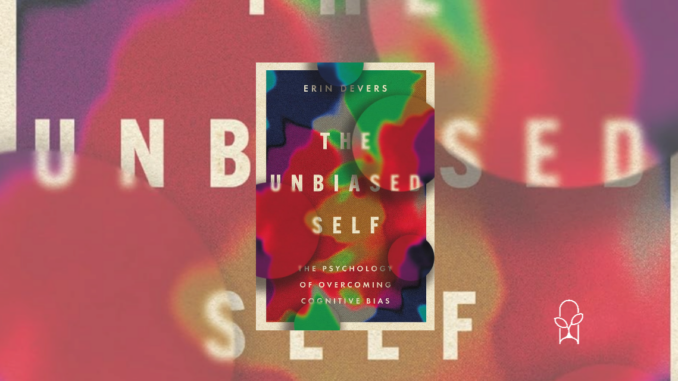
Published by IVP Academic on March 11, 2025
Genres: Non-Fiction, Christian Life
Buy on Amazon
Goodreads

A Christian Perspective on Overcoming Cognitive Bias
So much human behavior can be explained by two motives: we want to be right, and we want to feel good about ourselves. But the tension between these two motives makes us especially vulnerable to bias—and bias distorts our view of the world and of ourselves and can keep us from doing even what we know is right.
In The Unbiased Self, social psychologist Erin Devers lays out what psychology has discovered about bias and selfishness. To truly overcome cognitive bias, we need a vision of what an unbiased self could look like, stemming from a solid sense of identity—an identity available in Christian faith. Devers explains how a Christian concept of the self can provide the combination of humility with self-confidence that enables unbiased thinking. Using current research and illuminating stories, this book
• describes how "fast" and "slow" thinking work together in everyday life;
• diagnoses when we're most vulnerable to distorted thinking;
• considers how regarding every person as a child of God counteracts implicit bias;
• reveals psychological insights into spiritual formation; and
• recommends practices for slowing our thinking to seek God's wisdom about our ourselves and others.The social sciences offer rich resources for understanding how to reduce stereotyping and prejudice. By thoughtfully integrating them with biblical perspectives on human worth and sin, we gain hopeful, practical guidance on how to perceive the world more accurately and love others more generously.
As Erin Devers explains in this book, people have two core desires: we want to be right, and we want to feel good about ourselves. These priorities can lead to all kinds of cognitive biases, and Devers explains the rationale behind common thought distortions, helping Christian readers rethink and reduce biases. She encourages people to pursue accuracy instead of looking for justifications for what they already think, and she shares helpful studies and anecdotal examples to illuminate different points. She also encourages Christians to find their self-esteem in God’s love for them, so that they no longer feel compelled to suppress or explain away things that make them look bad.
The Unbiased Self isn’t about bias against individuals or groups, but focuses on the cognitive biases that underpin that and many other problems. The final application chapters focus on reducing bias in how you love your neighbor, and on reducing bias in the church. However, the book as a whole is not about discrimination, or about in-group / out-group thinking. Its broader, more sweeping focus is how and why we sacrifice the pursuit of truth in order to feel comfortable and settled in our current beliefs and views of ourselves.
Even though this is an academic title, the writing style is very conversational and accessible. Erin Devers shares her expertise as a psychology professor in a down-to-earth way, and I appreciate how she shares stories about challenge and growth from her own life, instead of making it seem like she has it all together. This book has lots to offer for anyone who wants to become a more accurate, less biased thinker. At the end of each chapter, Devers shares a brief summary of its core concepts, along with specific application ideas. I love how Devers nudges her readers towards practical life change.
Now for my personal experience with this book… It took me ten months to read and review this, due to life trauma. When I requested this title, I thought my difficult church situation would resolve soon, because I believed that people I’d known and loved for years were normal, functional adults. I thought my pastors could see the error of their ways and apologize, especially when confronted with hard evidence. Unfortunately, they went for a institutional cover-up instead, and I couldn’t bear to read this book because the subject was so triggering. Still, I thought of its premise many times, and it helped me make sense of things. These people want to feel right and to feel good about themselves, so they have committed to living in a fantasy, despite every effort to hold them accountable.
When I finally read this book, I enjoyed it. However, I also had various areas of disagreement with the author, and I would have appreciated more nuance and balance for people who are prone to self-blame or overthinking. The author focuses on self-serving bias, and doesn’t speak to situations where some people judge themselves harshly while making excuses for other people when they do the same things. What this book offers is great, but it may not be a good fit for especially scrupulous, introspective people who focus on the worst in themselves.
Also, one thing that struck me negatively was the author’s message that we aren’t more moral than other people, and that it’s a cognitive bias to believe that you’re more likely than someone else to make the right moral choice. I get the underlying concept here, and I don’t think that we should go through life feeling superior to everyone. However, some social comparisons are just true, not the products of distorted thinking. If I’m supposed to believe that the pastors who have abused me over the past year are just as moral as I am, then how do I make sense of anything that happened? I had more integrity and strength of character as a literal child than they have displayed in this disaster of their own creation.
We all fall short of the glory of God, and how we compare to one another is nothing compared to the gulf between God’s glory and our sin. Still, if you’re doing your best to live an honorable life, then I think it is naive and even dangerous to tell yourself that everyone else is as moral as you. This mindset can lead to constant shock and anger when people don’t even try to reach the standards you live out, and it can also silence discernment. It’s important to figure out who we can trust, and who might harm us. I think it’s okay to determine that other people are less moral than you are, as long as this flows from plenty of supporting evidence and a humble knowledge of God’s redeeming grace in your life.
The Unbiased Self: The Psychology of Overcoming Cognitive Bias is a helpful guide for Christians who want to grow in self-awareness and clear thinking. The author shares her expertise in an accessible, conversational style that can reach people outside of academic circles, and Christian readers will appreciate how Devers shares psychological research through a biblical worldview. This book will make excellent assigned reading in psychology courses at Christian schools, and it’s also a great read for individuals and groups. This can lead to awesome book club discussions, and I love that the author included practical steps for moving towards clearer thinking and a less biased life.